0:00 to 0:04
The opening
Kling 3.0 · 10¢ a second
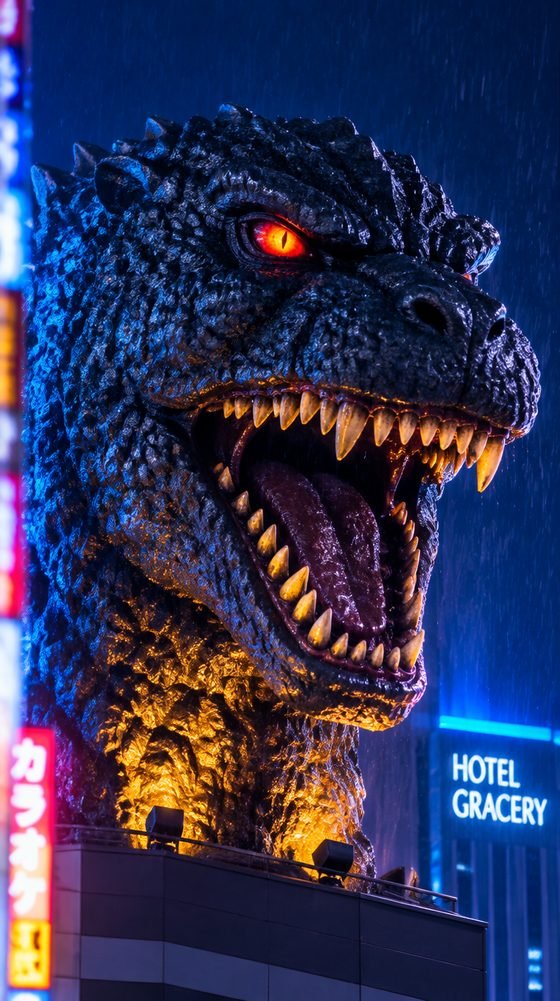
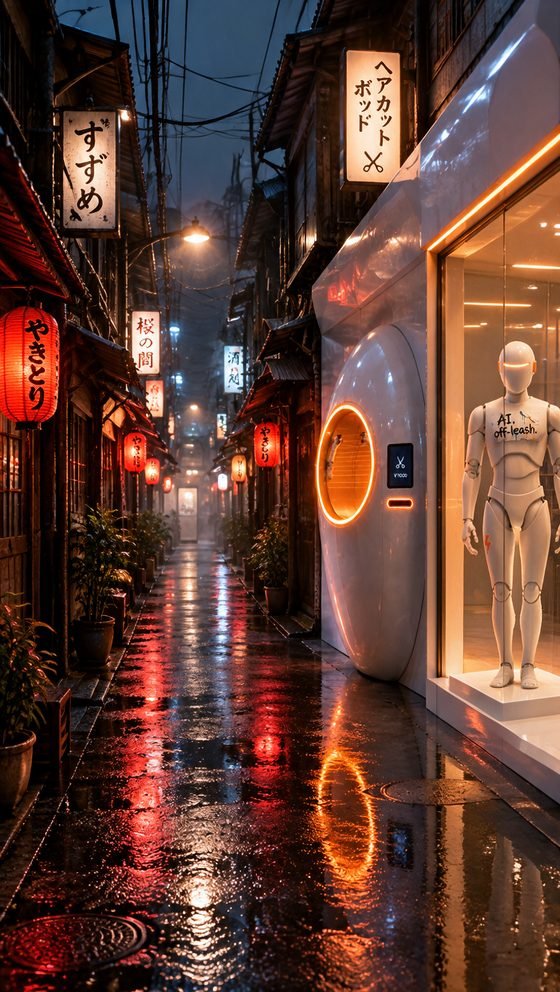
Starts on the Godzilla picture and ends on the alley picture. It even spelled the hotel sign right: HOTEL GRACERY.
Chris Spark · How I made it · chrisspark.com
A production report · 22 seconds · 8 mistakes
It should have cost about $4. The other $7.50 was learning: eight mistakes, all on this page, so you do not have to make them.
Which AI made each second? The bar follows the video. Kling, Wan and Seedance are AI video models: each one turns a picture into a moving clip.
Kling 3.0 · the opening: the Godzilla head and the alley
Kling 3.0Wan 3.0 PrimeSeedance 2.5
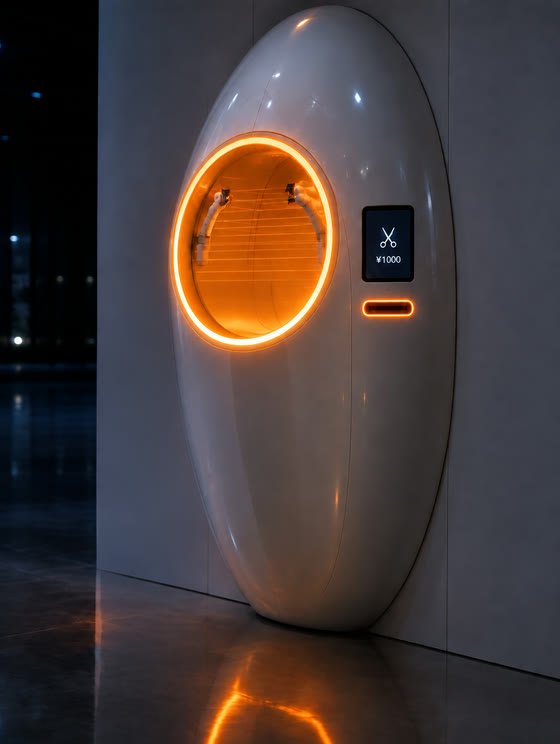
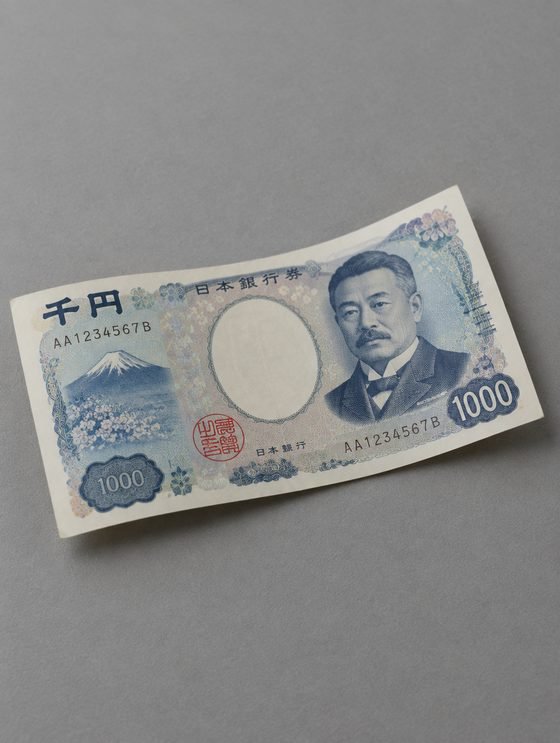
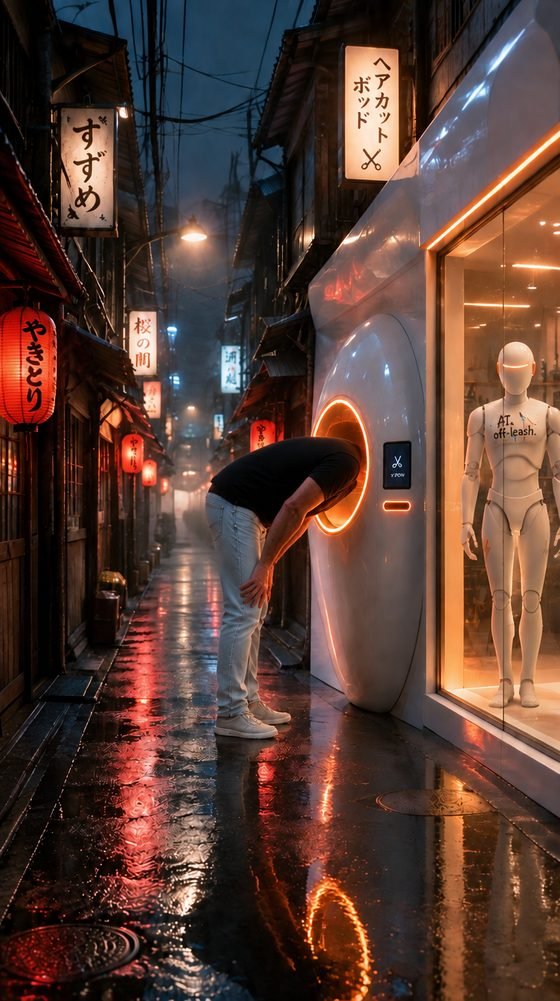
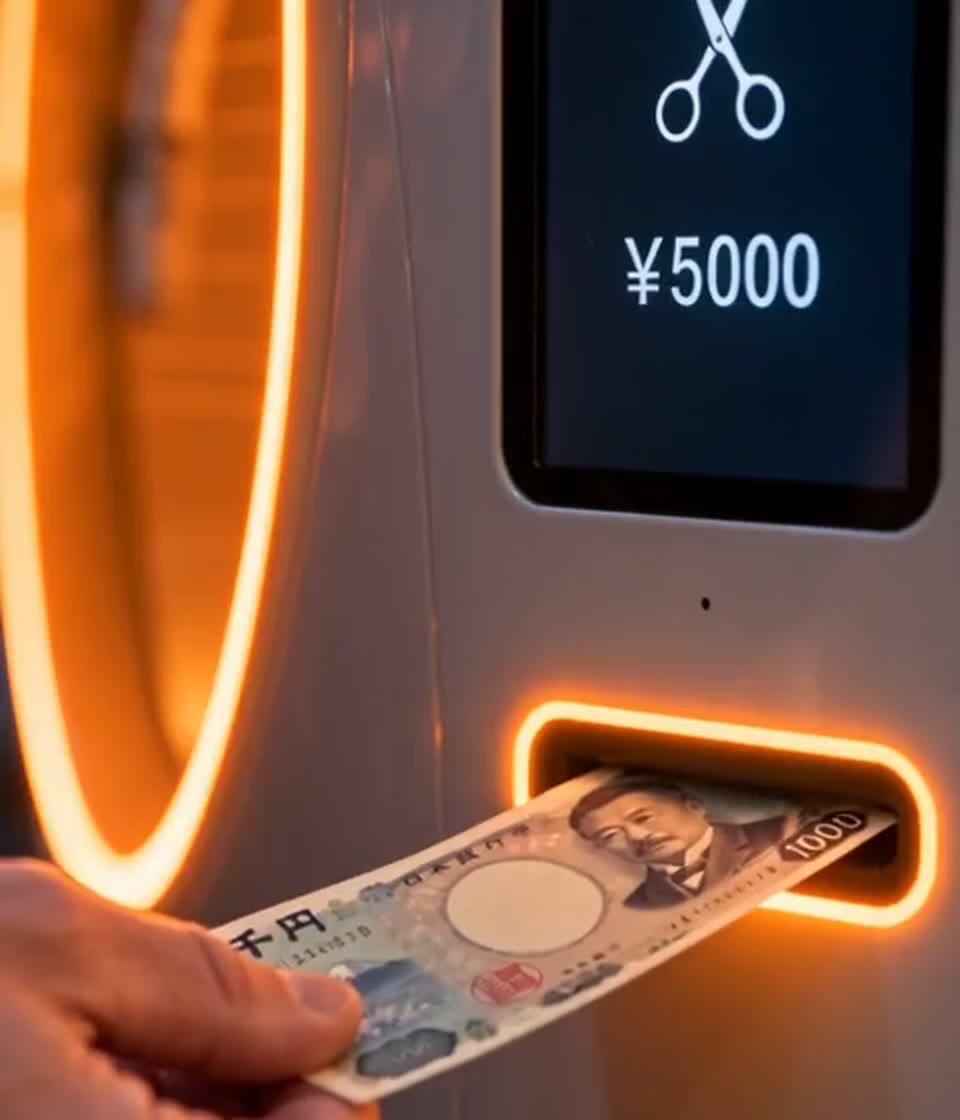
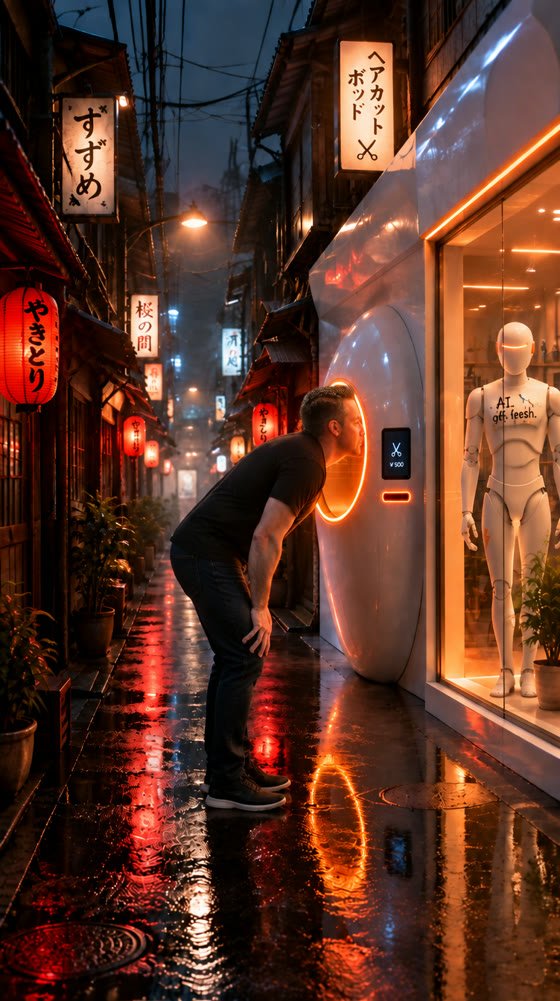
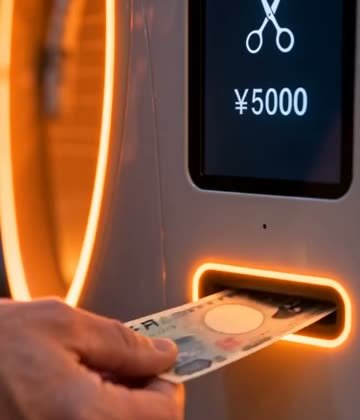
I wanted a short film with an AI version of me in it. In a rainy Tokyo alley he puts a ¥1000 banknote into a haircut machine, leans his head in, and comes out with a new haircut.
we create now several viral videos using me as a character based on viral videos online
me, to Claude · 26 Sep, 11:33
My first message to Claude, the AI assistant I work with. Claude runs the AI tools for me. I judge the results.
Then I sent Claude a link to a viral video from Dubai, a haircut machine on the street, and told Claude my idea:
there is a viral video playing in Dubai, with a haircut machine in the streets… we take the main idea but change everything else. I want to have it in Tokyo, where modern Tokyo meets the traditional small alleys, Shinjuku and Golden Gai.
me, to Claude · 26 Sep
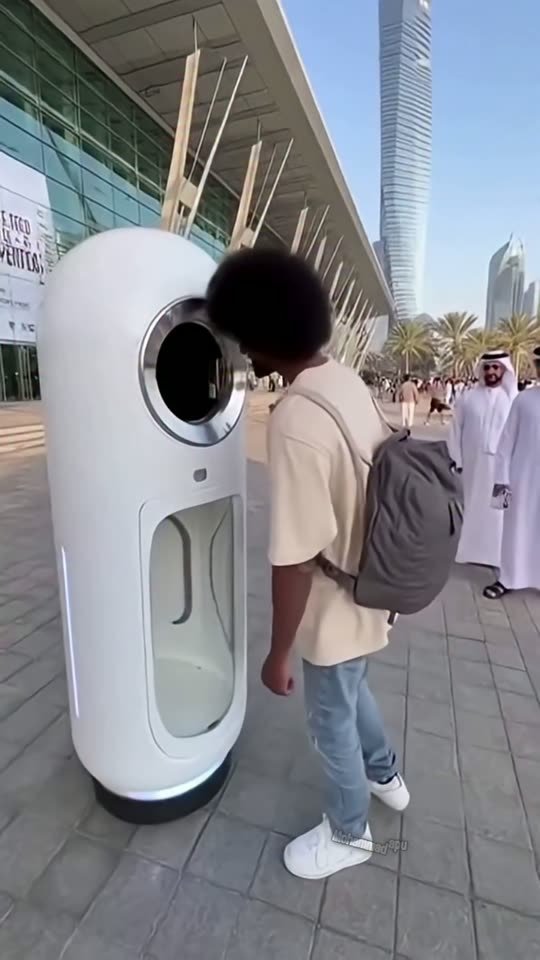
The frame is one picture from someone else’s video, shown so you can see the idea. The Dubai video: “Dubai’s Newest AI Barber Pod Will Shock You”, by Nova Elite on YouTube (15 seconds).
Claude was my AI director: it wrote the instructions and ran the tools. Higgsfield is one website with many AI models, paid by a monthly plan; it made every picture and every clip. I looked at everything and said yes or no.
The whole thing took 35 hours from my first message to the video going online, about 10½ hours of real work with Claude. Counted from the chat; breaks longer than 20 minutes are not counted.
AI video tools work in different ways. Here is the short version, so the rest of the page makes sense.
You write the scene in words. The AI invents everything: the face, the place, the light. Quick, but the person changes from one clip to the next.
You give a start picture (sometimes an end picture too) and words. The AI makes the picture move, so the person and the place stay close to the picture.
I said it before this project: “Otherwise, the person is drifting, and it won’t work.” Drifting means the face changes from clip to clip. So every clip starts from a picture I approved.
You start from a video that already exists and add your own pictures. Motion Transfer keeps the movement, camera and timing and rebuilds the person and the place from your pictures. Object Swap replaces one thing and keeps the rest.
The Dubai video had a movement I liked for the last shot, so I asked Claude to try Motion Transfer once. It went wrong: mistake 5.
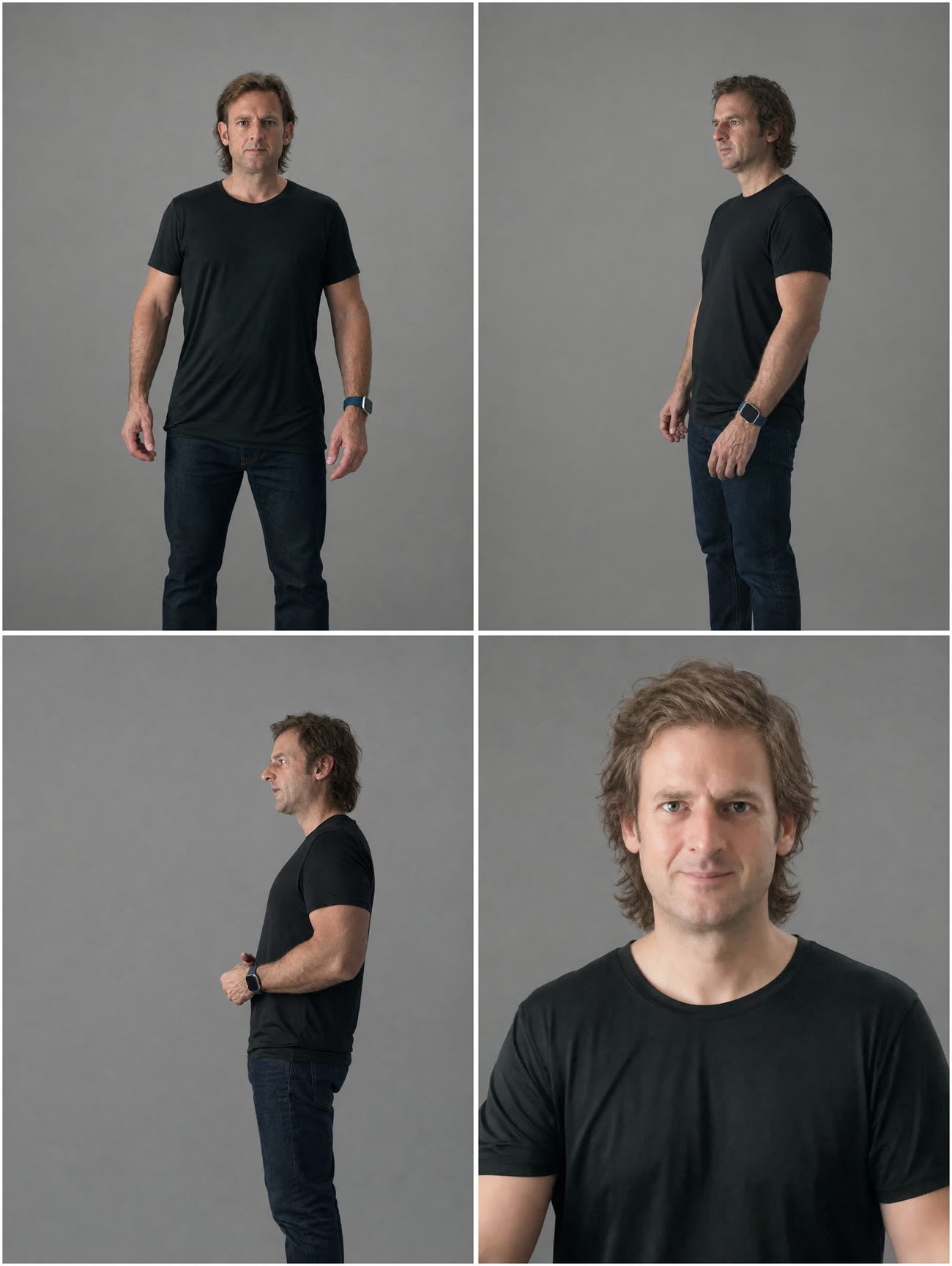
A character sheet is one picture of the same person from four sides: front, three-quarter, side and close-up. The AI looks at it to help keep my face the same in every shot. Claude made one of me with long hair and one after the haircut, and saved each in Higgsfield as an “Element”, a named character the AI can use again.
$0.20for the two sheets. Claude made 2 tries of each of the 4 views, 16 small pictures in all, and I approved one try per view. About 1 cent a picture.
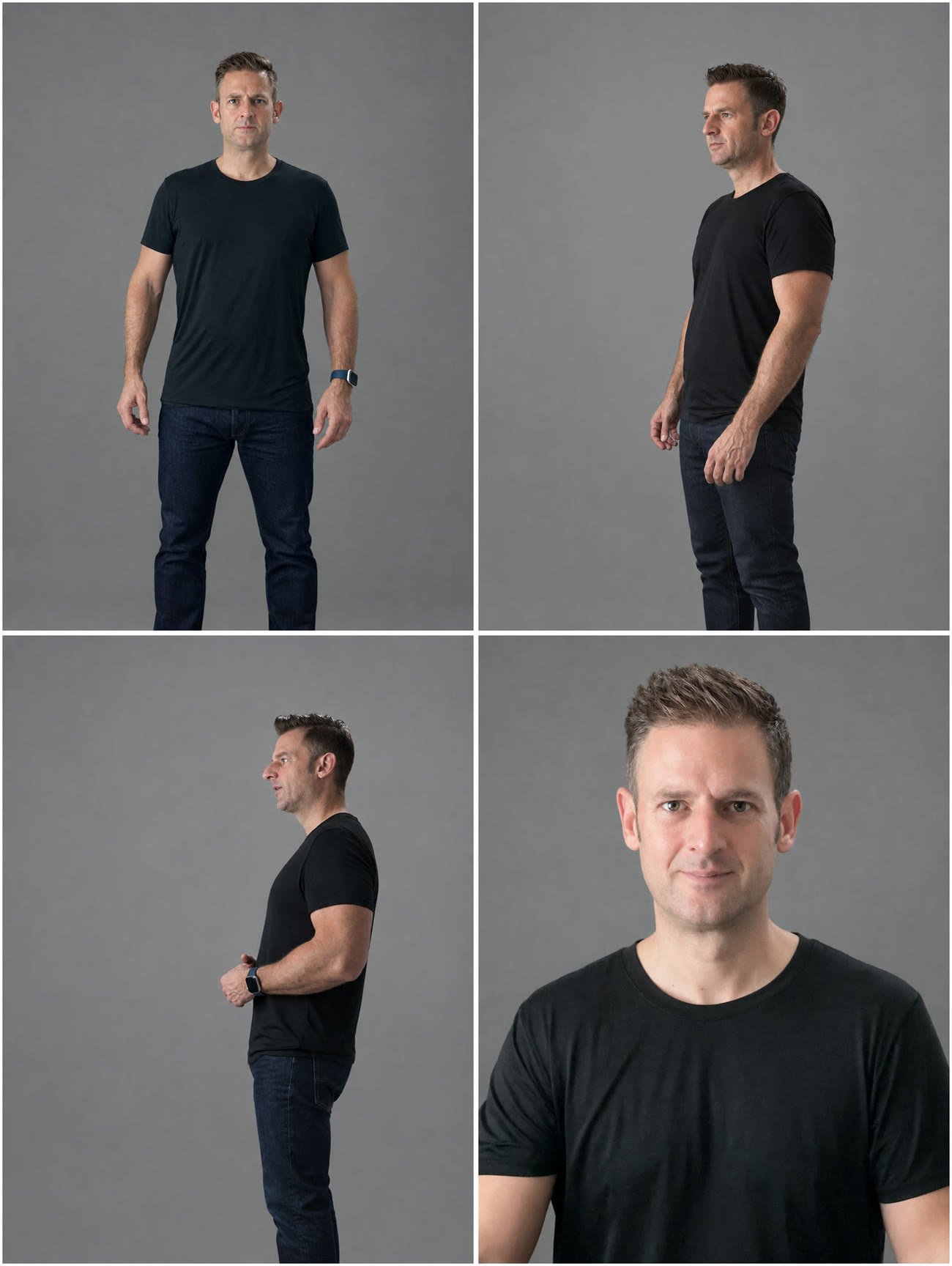
1 of 8 What went wrong
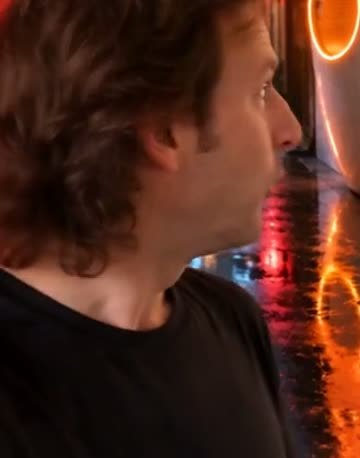
For the video, Claude picked one of the AI faces. It did not look like me. Here is my face from the sheet, the face Claude picked, and the face I picked.
you also picked the wrong face
me, to Claude · 26 Sep
What I do nowClaude shows me a few faces next to each other. I pick.
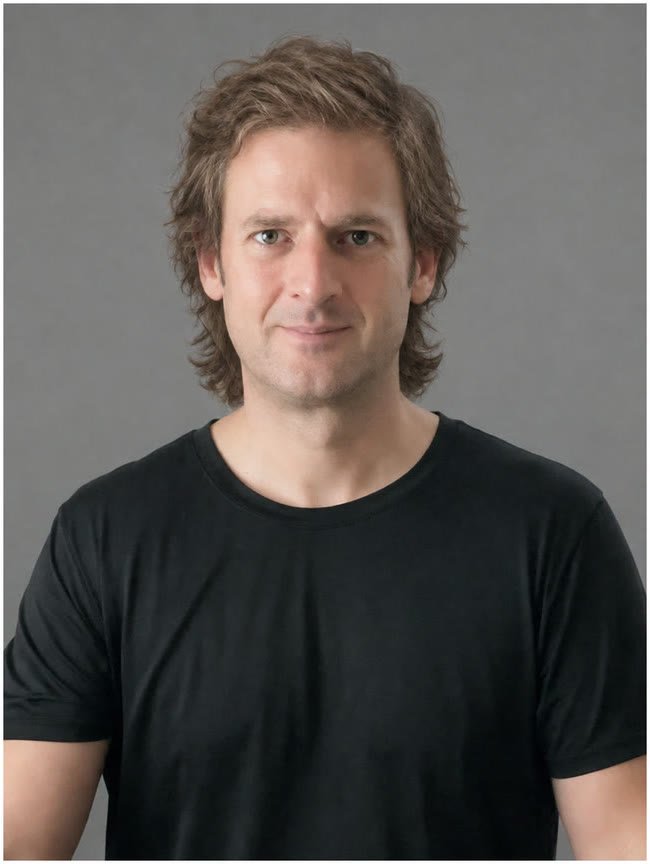
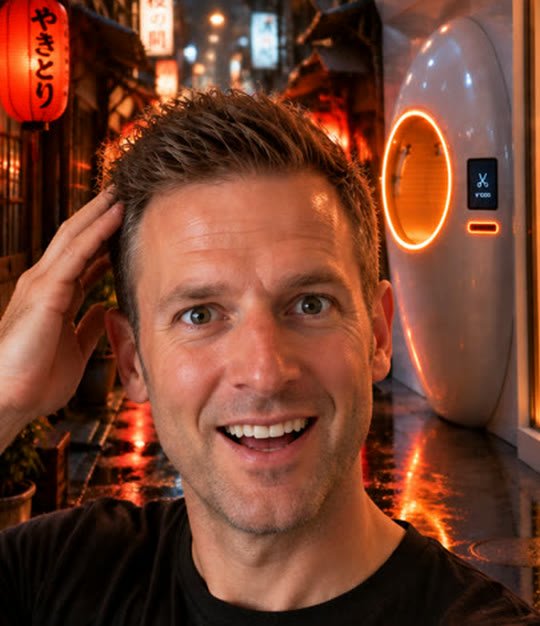
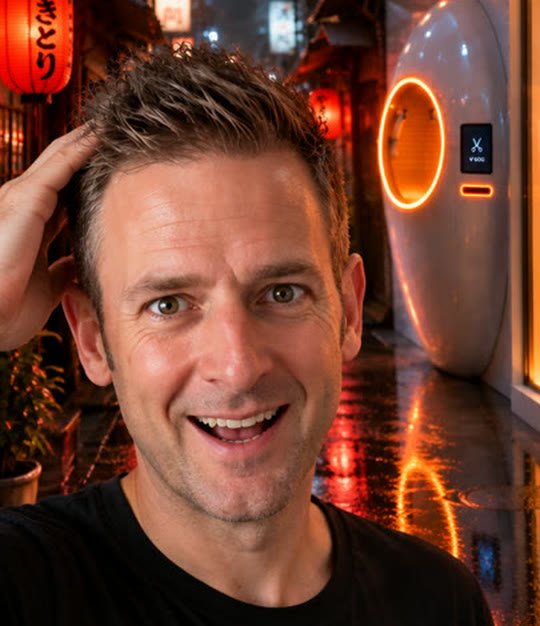
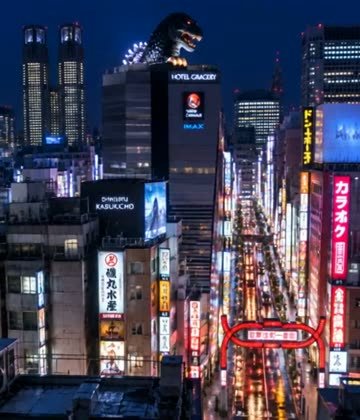
Before any clip, I need pictures. The alley is in Golden Gai, a district of tiny old bars in Shinjuku, Tokyo. In my film it has one futuristic shop: the haircut machine is built into the shop wall, and a white robot stands in the window. The Godzilla head is real: it sits on the Hotel Gracery in Shinjuku. Every clip also gets a start picture; you will see each one next to its clip in Step 3.
2 of 8 What went wrong
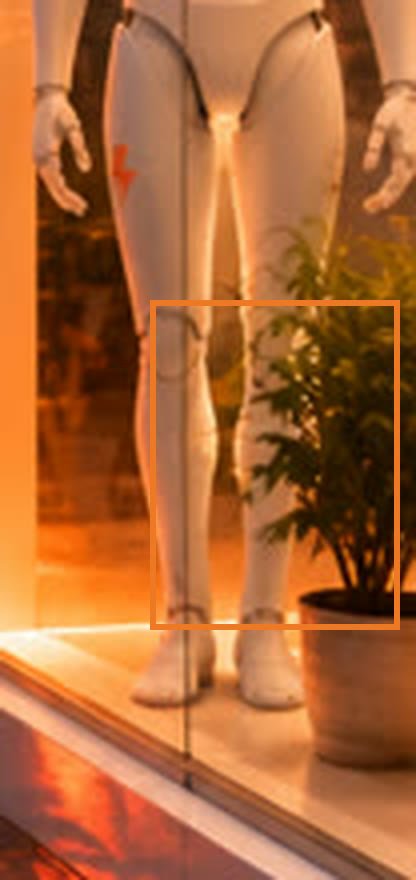
“The plant doesn’t make any sense.”me · 26 Sep
Claude removed it in the next round.
What I do nowClaude checks every picture for things that do not belong.
3 of 8 What went wrong
This is the start picture for the clip where the man leans his head into the machine. The man is an AI picture of me. His feet were about 1 metre to the left of the machine, on the ring’s reflection in the wet ground, while his head was already in the ring. I caught it. In the fixed picture he stands at the machine. Drag the line to see before and after.
What I do nowClaude checks where the feet are in every picture of a person next to an object.
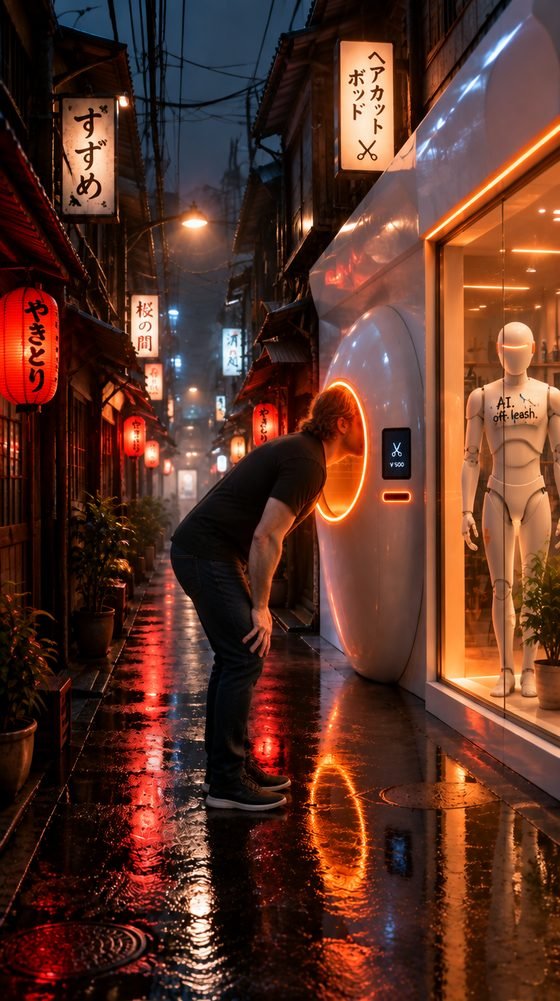
Pictures are cheap: 1 to 6 cents each. Video is the expensive part, and it comes next.
A video model is an AI that makes moving clips from pictures and words. Higgsfield has many; the film uses three. Each card shows one part of the film, the picture it started from, the model, and what one second costs. In the film, “me” and “the man” are the same AI version of me.
0:00 to 0:04
Kling 3.0 · 10¢ a second
Starts on the Godzilla picture and ends on the alley picture. It even spelled the hotel sign right: HOTEL GRACERY.
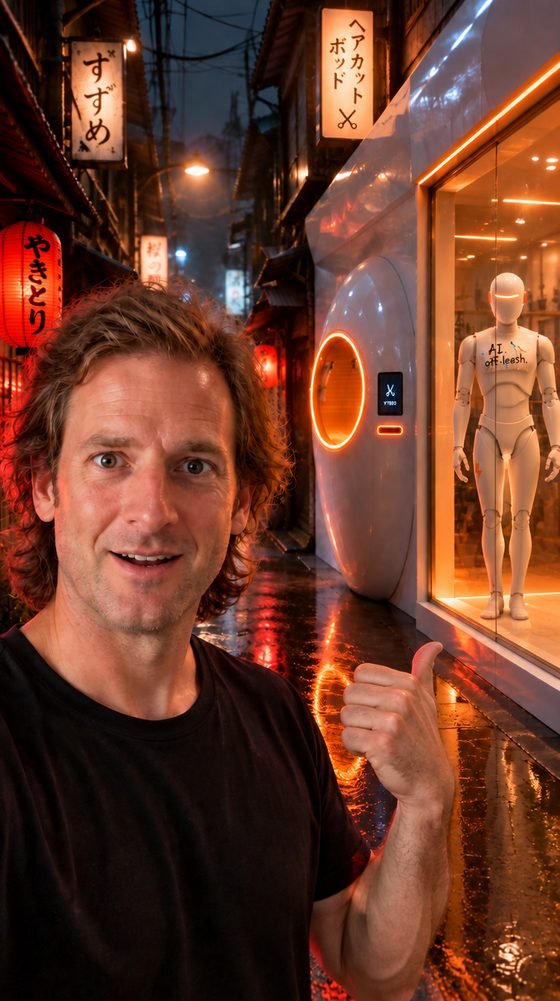
0:04 to 0:11
Wan 3.0 Prime · 5 to 7¢ a second
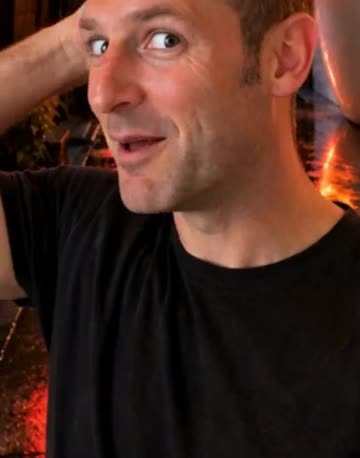
I talk to the camera. Of the three models, this one kept my face best.
0:11.2 to 0:12.8 · 1.6 seconds
Seedance 2.5 · 15¢ a second
Built from the machine picture and the note picture. The only part of my first round of clips that was good enough to keep.
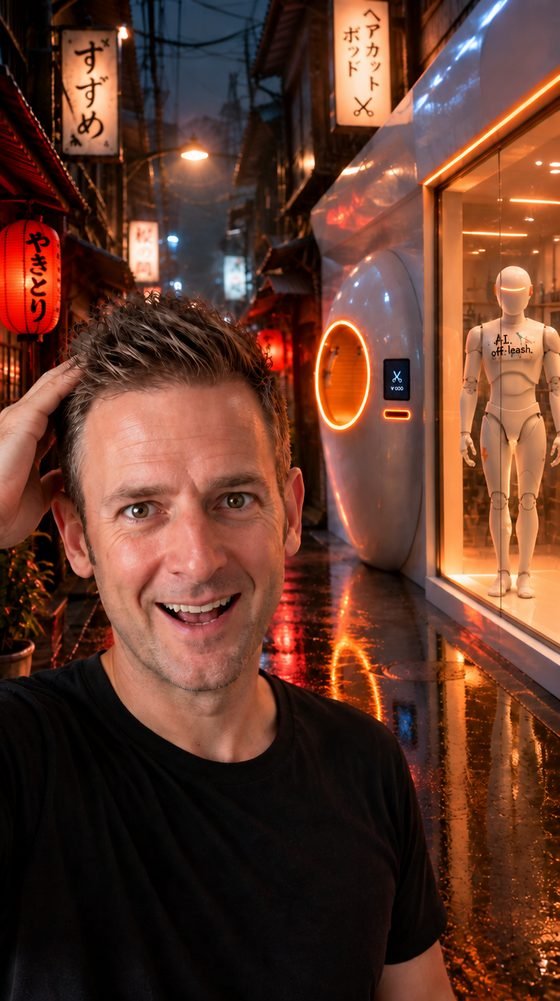
0:13 to 0:22
Wan 3.0 Prime · 5 to 7¢ a second
The man’s head goes in and comes out, then I talk. Three clips, each from its own picture.
4 of 8 What went wrong
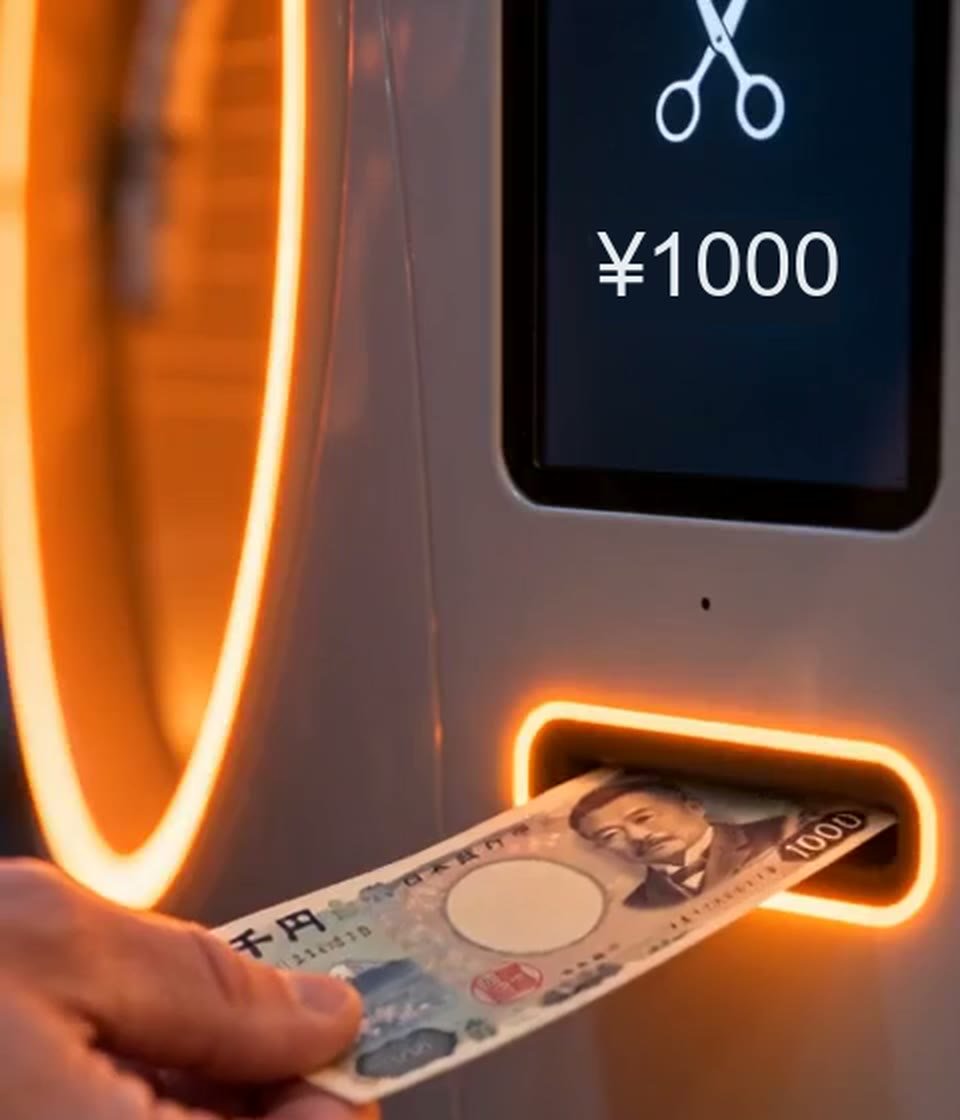
The machine screen said ¥1000. In the AI clip the price changed to ¥5000 when the note went in. That makes no sense. Drag the line to compare. The clip next to it is the fixed version.
The fix: $0 Claude fixed the price in the video edit, with free software
Video model: Seedance 2.5
What I do nowClaude reads every word the AI puts on the screen.
5 of 8 What went wrong
I wanted the end of the film to copy a movement from the Dubai video: the man pulls his head out of the machine, turns and grins. Genjutsu copies movement. It copied more than that.
“doesn’t make any sense”me · 26 Sep
$0.59 4 seconds · Genjutsu, Motion Transfer · start picture by GPT Image 2.5
What I do nowClaude did not use the shot; the film ends with Wan clips from my pictures. A tool that copies movement can copy other things too.
6 of 8 What went wrong
I told Claude to check Kling and Wan, two other video models. Claude kept using Seedance, the most expensive one, for the whole first round: four clips, 24 seconds.
i told you to check kling and wan!
me, to Claude · 26 Sep
$3.53for the four Seedance clips. 1.6 seconds are in the film. Clip 1 also had a blurred stranger at 2.5 seconds, so Claude cut that part.
Then Claude ran the test it should have run first: the same picture and the same words on all three models. That round cost $2.33: an opening clip and a talking clip from Kling and from Wan, plus my voice on two of them. Seedance’s price was already known from the first round. What each model is good at:
The most expensive, 2 to 3 times Wan. Its first clips had a blurred stranger and a wrong price. Only the note close-up was good.
The best opening: it ended exactly on my picture, spelled the sign right, and I said its light looked “more realistic”. But in close-up my face changed after about 3 seconds; I said it “becomes unnatural”.
Kept my face best when I talked, and the cheapest. But its opening ended on the wrong view and got the sign wrong, and its light looked like a phone selfie. In one test Claude gave it a recording of my voice; the lips did not match the words.
So each model made the part it does best: Kling the opening, Wan me talking, Seedance the note going in. True for this film; another film may need other models.
What I do nowClaude lists the tools that can make a clip, and what the same 6 seconds costs with each one, before I say GO.
Every talking clip comes with an AI voice that is not mine. Voice Change, a Higgsfield tool, swaps it for my voice clone, an AI copy of my voice that I already had. Three talking parts: my voice over the opening pictures, me before, me after.
Every clip is first made at a low resolution (480p), because that is cheaper. At the end the finished film is upscaled to 1080p, full HD.
7 of 8 What went wrong
“it sounds so deep and ai generated”me · 27 Sep
Claude had added effects to the voice clone: a pitch change, an echo, a phone-microphone sound. It got worse, not better.
What I do nowClaude uses the AI voice almost as it is: one light clean-up, the same volume everywhere. No echo, no pitch change.
Hear it. The same line, 7 seconds each.
Both are my voice clone, made by Voice Change, on the same clip. The first one went through Claude’s effects; the second one did not.
I had a rule. I stopped using it. Then I made it stronger. Here is why, in three days.
22 Sep · The rule
“Always ask for the GO.”
Nothing is spent until I say the word GO. I made the rule in another project, after Claude started a job the moment I confirmed a small detail.
26 Sep · Too slow
“Simply not make me approve anything more.”
Asking every time felt slow. So I said yes to a whole list at once, with a budget of about $7.35. Claude could spend without asking me each time.
By 20:17 the bill was $7.69, over the $7.35 budget
27 Sep · Locked again
“As long as I don’t say GO, you do nothing!”
Claude ran price checks right after I corrected something, without waiting for my GO. So the rule came back, stronger: even a price check waits for GO.
What I do nowClaude waits for the word GO before every spend. Slower, but I keep control of the money.
Part 2 · What it cost
OVER $11
It should have cost about $4.
Cents are rounded. The talking-clip line is a range because I have not confirmed its exact price per second.
for every second of the film (50 to 54 cents). What it really cost.
for every second. What it should have cost: the plan’s four steps, one try each.
Needed: the plan’s list, one try each. Learning: everything that is not on that list.
Higgsfield charges me in two ways: the monthly plan (every line above “Paid by my monthly plan”) and per second for the later Wan clips. Higgsfield lists two prices per second and I have not confirmed which one my account pays, so that line is a range. Lines are rounded to the cent, so a column can differ from its total by one cent.
Learn from my mistakes. Save about $7.50.
Before you make any video clip, list the tools that can make it and what the same 6 seconds costs with each one. Show me every picture first. Wait for my GO before you spend money.
Paste that into your first message to an AI assistant such as Claude. It is written for you: “me” and “my” mean you.
Follow for more how-tos: Chris Spark on YouTube, Instagram, TikTok and Facebook.
Every number on this page comes from the project’s own records: the spending record, the chat logs and the clip files. Some prices are ranges, because the exact price for each second is not confirmed. The video and every picture of me were made with AI.
Everything ran inside Higgsfield; Claude ran the tools for me. Prices are for one second of video, one picture or one clip, from my own spending record. Cents are rounded.
Most of the plan money went in the first 9 hours: $9.21 by 20:50 on 26 Sep. The next 26 hours added 26 cents to the plan, plus the per-second clips. The table shows what my monthly plan paid.
| When | What | Total so far |
|---|---|---|
| 26 Sep, 11:33 | My first message | $0 |
| 26 Sep | Two character sheets of mePicture model: GPT Image 2.5 | $0.20 |
| 26 Sep, 17:35 | First video clips, the machine, the alleyVideo models: Seedance 2.5, Genjutsu (motion transfer). Picture model: GPT Image 2.5 | $4.61 |
| 26 Sep, 20:17 | Testing other AI video toolsVideo models: Wan 3.0 Prime, Kling 3.0. Picture models: Seedream 5.0 Pro, GPT Image 2.5 | $7.69 |
| 26 Sep, 20:50 | First edit of the videoVideo model: Kling 3.0 | $9.21 |
| 27 Sep, 17:13 | Final video approved: “YES! That’s it.”Video model: Wan 3.0 Prime (most of its clips were paid by the second) | $9.45 |
| 27 Sep, 19:59 | Upscaled to 1080pUpscaler: ByteDance | $9.47 |
| 27 Sep, 23:01 | Published |
The talking clips with Wan were paid by the second, in addition to the plan. Claude made 34 seconds of them; the film uses about 16. $9.47 plus $1.62 to $2.31 is over $11.